What Is The New Short-Term Vacation Rental Law In Poland?

If you manage a vacation rental property in Poland, big changes are on the horizon. The Polish government recently approved a draft bill aimed at increasing transparency in the hospitality market. This new legislation aligns with the European Union’s Regulation 2024/1028, which focuses on data collection and sharing for short-term stays. The EU regulation will officially take effect on May 20, 2026, and Poland is preparing its local infrastructure to match these requirements.
For hosts, this means navigating a new registration system, obtaining a unique property identification number, and adhering to updated safety standards. At Smoobu, our goal is to empower users with the knowledge and skills needed to manage their properties successfully. Let's dive deep into what this draft bill means for your business, how you can prepare, and why these changes are happening across Europe.
Understanding The EU Regulation 2024/1028
Before looking specifically at Poland, it is important to understand the broader European context. In April 2024, the European Parliament adopted Regulation (EU) 2024/1028. This new framework aims to improve transparency across the tourism sector and equip member states with the tools they need to monitor the rapidly growing vacation rental market.
The core requirements of this EU directive include:
- Mandatory registration for hosts offering short-term stays.
- Clear control and verification mechanisms managed by local authorities.
- Obligations for online booking channels to verify property data and share it with governments.
- A streamlined information-sharing framework between different EU member states.
By standardizing data, the European Union hopes to balance the economic benefits of tourism with the needs of local communities. Since many cities have experienced housing shortages, this data will help authorities design better, more sustainable zoning policies.
Key Takeaways From Poland’s Draft Bill
In July 2026, the Polish Cabinet officially approved the rules that will bring short-term properties into a formalized system. If you host guests for 30 days or less, your property will legally be classified as an official tourist service. Here is a detailed breakdown of the most critical changes coming your way.
The National Register Of Tourist Facilities
The most significant change is the creation of a centralized, national database. Under the new proposal, every property must be entered into municipal records and the newly established national register. The registration procedure is expected to be fully online and user-friendly, ensuring that hosts can easily submit their details.
Individual Identification Numbers
Once you successfully register your property, you will receive a unique identification number. This number is incredibly important. You will be legally required to display it on all online platforms where your property is listed. Furthermore, platforms will be mandated to verify this number and conduct random checks to identify illegal or unregistered listings. If a listing lacks a valid ID number, public authorities can request its immediate removal.
Strict Financial Penalties
Compliance is not optional. The draft bill introduces severe administrative fines to curb the unregulated market. Operating an unregistered property, failing to display the correct classification, or misleading guests can result in fines of up to 50,000 PLN (approximately €11,600). Additionally, repeated breaches of public safety or order could lead to your property being removed from the register entirely. If removed, a property cannot be registered again for a full year.
Local Zoning And Resident Protections
The draft bill grants local municipalities more power to regulate tourism in their specific areas. City councils will have the authority to designate certain zones where short-term stays are heavily restricted or only permitted in formally classified hotels and guesthouses.
Moreover, residents of residential buildings will gain new rights. If neighbors suspect that a property is disrupting public order or failing to meet standards, they can request an official inspection. If the property fails to meet fire safety, sanitary, or legal standards, it could be struck from the municipal register.
Preparing Your Property For 2026
The official implementation date is May 20, 2026. While this gives hosts some time to adapt, it is crucial to start preparing now. Early preparation will ensure a smooth, effortless experience, free of complexities.
Update Your Fire And Sanitary Standards
Safety is a primary focus of the new law. Hosts will need to declare that their properties meet all required fire and sanitary standards. Now is a great time to review your property's safety equipment. Ensure smoke detectors are functioning, fire extinguishers are accessible, and emergency exit routes are clearly marked.
Establish Clear House Rules
Under the new regulations, hosts must submit formal house rules to the authorities. These rules must include measures to protect children and to ensure peaceful coexistence with neighbors. Create a comprehensive digital document outlining quiet hours, waste disposal procedures, and guest behavior expectations.
Streamline Your Data And Listings
Because platforms will be sharing your booking data with the government, consistency across all your channels is essential. Ensure that your property address, host name, and contact details match exactly across all platforms you use.
How Smoobu Can Help You Stay Compliant
We prioritize making complex property management tasks easy to handle. Adapting to new legal frameworks can feel overwhelming, but utilizing the right software can automate the heavy lifting.
Centralize Your Operations With A Channel Manager
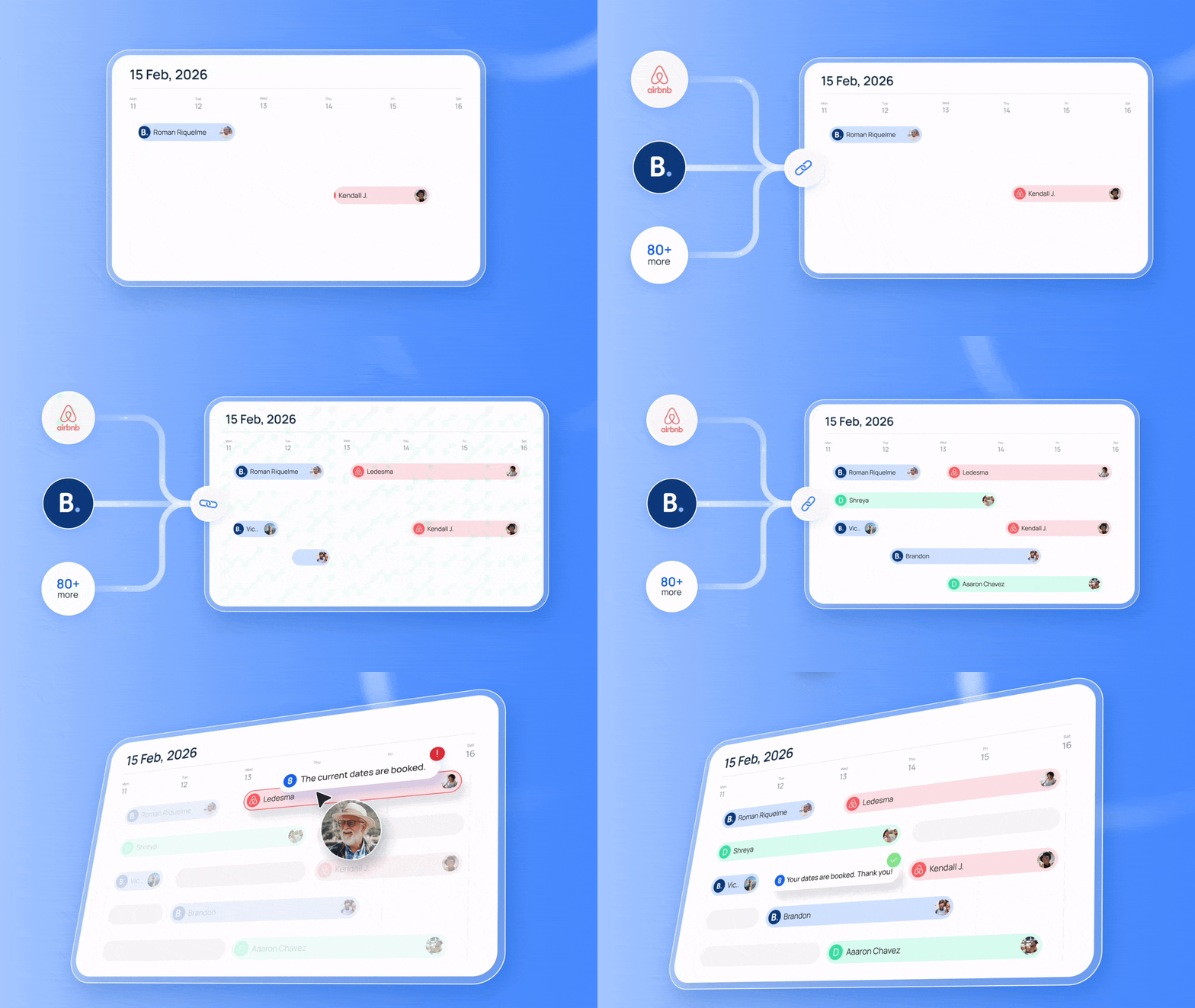
When you receive your new official ID number, you will need to update it across every booking site. Logging into multiple platforms manually is tedious. With our Channel Manager, you can synchronize your property details, availability, and rates from a single dashboard. This ensures your legal identification is consistently displayed across all platforms where guests can book your property.
Automate Guest Communication
Clear communication is vital for maintaining good relationships with neighbors and complying with local rules. Using automated messaging, you can send your required house rules directly to guests the moment they book. You can schedule a pre-arrival email detailing quiet hours and safety protocols, ensuring guests know exactly what is expected of them before they check in.
Provide A Digital Guest Guide
To meet the requirement of providing house rules and safety standards, a digital Guest Guide is the perfect solution. You can create a customized portal containing emergency contact numbers, fire escape plans, and community guidelines. Guests can access this information directly on their smartphones, providing a smooth, effortless experience while keeping you fully compliant with local mandates.
The Future Of The Vacation Rental Industry In Poland
The introduction of this draft bill represents a transitional moment for hosts in Poland. We honor tradition while embracing progress, and these new regulations are a step toward a more professional and sustainable industry.
While some investors worry that stricter rules might limit opportunities, the government has emphasized that the goal is not to eliminate cheaper travel options. Instead, the focus is on creating a fair market where professional hosts can thrive without negatively impacting local residents.
By removing unregistered operators from the market, professional and compliant hosts will likely see an increase in demand. The new transparency rules will also build trust with guests, as they will know that every registered property meets strict safety and quality standards.
Frequently Asked Questions About The Polish Draft Bill
When Does The New Law Take Effect?
The European Union Regulation 2024/1028 must be implemented by all member states, including Poland, by May 20, 2026.
Who Needs To Register?
Anyone offering stays of 30 days or less must register their property, even if they are not formally registered as a business owner. This includes individuals renting out a single sub-property on platforms like Airbnb.
What Happens If I Do Not Register?
Operating without registration or failing to display your unique ID number can result in administrative fines of up to 50,000 PLN. You may also face a temporary or permanent ban from listing your property on online platforms.
Can Neighbors Shut Down My Business?
Neighbors cannot directly shut down your business, but they can request an official inspection if they believe your property is violating public order, safety, or sanitary standards. If the inspection reveals violations, your property could be removed from the municipal register.
Will Platforms Share My Data With The Government?
Yes. Online platforms will be required to share monthly data regarding guest stays and nights booked with a central digital access point managed by the Polish government.
Embrace The Change With Confidence
While new regulations require adjustments, they also present an opportunity to elevate your business. By understanding the requirements and leveraging technology to streamline your operations, you can navigate this transition smoothly. We are here to support your success, providing reliable tools that adapt to local market requirements so you can focus on delivering exceptional experiences to your guests. Stay informed, start preparing today, and secure your place in the future of the Polish hospitality market.