
Why A Rural Vacation Rental Might Be Your Next Best Investment

Across the globe, travelers are increasingly trading busy city breaks for quiet stays in the countryside. The data shows that this isn't a passing trend but a fundamental shift in how people want to travel. According to data from The Hilton, travelers are seeking destinations where they can tune out life’s distractions, seek calm, and embrace silence, dubbed “hushpitality”.
For anyone weighing where to invest next or already owning a property outside a major city, this shift is worth close attention. A rural property isn't just a lifestyle purchase anymore; it's increasingly where global travel demand and the revenue that follows it are heading. Here's what's driving the trend worldwide, who's leading the charge, and what it means for your next move.
The Numbers Behind the Shift
Nature-based travel is having a moment, and one place where we see that clearly is Germany. In Germany, more than 60% of overnight stays booked by German guests within the country in 2025 took place outside of cities, and interest in nature travel there has grown more than twice as fast as interest in city breaks over the past three years, with search demand for rural getaways up 35% between 2023 and 2025.
This is mirrored in Airbnb data, where we see nature and outdoor experiences becoming one of the most-booked experience categories, and searches for stays near national parks up 35% worldwide in 2026. Additionally, we see that 86% of travelers overall, and 94% of Gen Z travelers specifically, say they're interested in rural getaways.
The destinations driving this vary widely by region, from Germany's Eifel, Allgäu, Mosel Valley, and Black Forest to North America's Great Smoky Mountains, Jackson Hole, and Acadia to emerging spots like Crete's Samaria Gorge in Greece and rainforest-adjacent stays near Jakarta. The common thread isn't a single hot destination; it's a broad, sustained pivot toward quieter, nature-adjacent places over conventional city breaks.
This pattern is evident in HomeToGo's own Hidden Gem Index, which ranked Europe's most under-the-radar travel destinations based on search demand, climate, scenery, hiking trails, food scene, and accommodation costs. The top-ranked spots read like a checklist of exactly what today's traveler is after: nature, quiet, authenticity, and value. Included are Labeaume, France, Beynac-et-Cazenac, France, and Bremm, Germany.
We also see HomeToGo's "Wild, Rugged, Windswept" trend spotlights remote, rural destinations like North Wales (+236% search growth), the Scottish Highlands (+104%), and Donegal (+221%), real evidence that rural/off-the-beaten-path demand is measurably rising on their platform, not just anecdotal.
Gen Z Is Driving Rural Travel Forward
If one group is responsible for accelerating this trend globally, it's Gen Z. In Germany, search interest in nature travel among younger travelers grew 75% between 2023 and 2025, more than double the national average.
Globally, the same pattern holds: Gen Z's interest in rural getaways (94%) outpaces the general population (86%), and Airbnb has specifically called out younger travelers as actively seeking destinations that offer peace, nature, and a break from constant digital connectivity. Travelers also say that traveling in rural areas makes them feel like they're supporting the region they're visiting.
When it comes to what they actually do once they arrive, hiking and walking top the list, followed by swimming, photography, and wildlife watching, activities that translate just as well to a cabin in the Black Forest as they do to a cottage near Acadia National Park.
Beyond nature specifically, 2026's broader travel mood reinforces the same shift: "playcation" trips built around hobbies and outdoor activity, solo travel, and short-haul getaways closer to home are all rising, according to Airbnb, Booking.com, and Expedia's separate global trend reports.
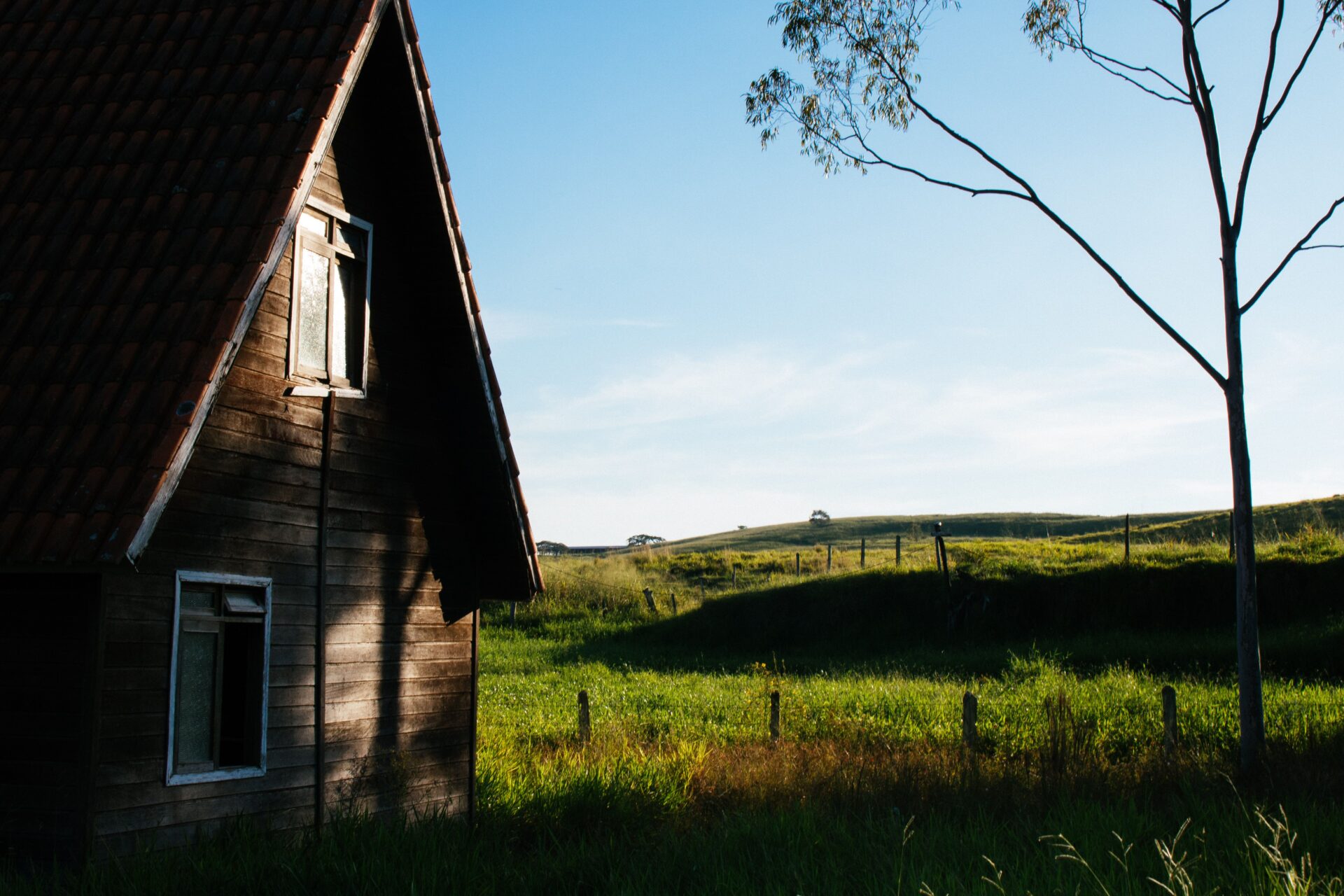
What This Means for Rural Communities and Rural Property Value
This shift isn't just changing where people vacation; it's changing who benefits from tourism, and where property investment makes sense. Regions that historically saw little tourist traffic are now capturing meaningful economic activity, and the effect shows up in the numbers wherever it's been measured.
A typical host in rural Germany earns an estimated €4,300 per year in additional income through short-term rental hosting. On the guest side, visitors to popular rural destinations there spend an average of €100 per day locally, supporting small businesses, restaurants, and services in communities that may have limited hotel infrastructure. For investors, this is a signal worth paying attention to, regardless of location, but it should not be approached without a plan.
How to Position a Rural Property for This Wave of Demand
If you're evaluating a rural property as an investment, or already own one and want to maximize its return, here's how to capture this wave of nature-driven demand:
1. Lead with the experience, not just the property. Gen Z travelers are booking based on what they'll do: hike, swim, unplug, reconnect. A property that photographs and reads as a gateway to nearby trails, lakes, or quiet spots will outperform one marketed purely on square footage and amenities, which matters directly for occupancy and, in turn, return.
2. Be visible where Gen Z is actually searching. This generation isn't scrolling classic OTAs first; they're also discovering stays through Instagram, TikTok, and increasingly AI-powered search. A property with strong visual content, clear location tags, and consistent listing data across channels gets surfaced in those searches; one that only exists on a single booking site doesn't.
But visibility only converts if your calendar is accurate the moment someone finds you. A channel manager that syncs availability in real time across every platform you list on means a Gen Z traveler discovering your property on a Tuesday night doesn't hit a stale calendar or a double-booking risk. Being discoverable and instantly bookable is what actually captures that occupancy wave, not just being visible.
3. Price for shorter, more frequent trips. With more travelers planning multiple short getaways rather than one long annual trip, dynamic, demand-based pricing matters more than ever. A tool like Smoobu's dynamic pricing feature automatically adjusts rates based on real demand patterns, so a property isn't leaving money on the table during high-interest periods or pricing itself out of shorter, spontaneous bookings.
Beyond the view and the hiking trail, small details also close the deal. Pet-friendly spaces matter to a generation that increasingly travels with pets rather than leaving them behind, and reliable, fast WiFi is non-negotiable for the growing number of guests extending countryside trips into short workcations. A rural property that can credibly say "bring the dog, bring the laptop" opens itself up to longer average stays, not just weekend bookings.
4. Don't let admin work erode the margin. As rural hosting scales, so does the paperwork, from guest communication to compliance requirements like e-invoicing. Automating the operational side of the business protects the bottom line and frees up time to focus on what actually drives returns: the experience being offered. You want to move from reactive to proactive hosting.
| Reactive Hosting | Proactive Hosting |
| Manually updating separate calendars, risking costly double-bookings. | Real-time channel synchronization across all booking portals. |
| Sending rigid, repetitive check-in emails late or at inconvenient hours. | Instant, automated guest messaging triggered by specific booking states. |
| Total reliance on single third-party platforms and high commission fees. | Independent brand presence with integrated payment processing. |
5. Turn the community into part of the stay. One of the biggest draws of rural travel is the sense of connecting to a real place, not a generic stay. A simple digital guest guide featuring local trail recommendations, the bakery down the road, a family-run restaurant worth booking ahead for, all turn a good property into a memorable one, and directs guest spending toward the same small businesses that benefit from rural tourism in the first place. It costs a host almost nothing to build and does real work reinforcing exactly the "authentic, connected-to-place" positioning this traveler is looking for. In need of some support and/or inspiration with your digital guest guide? Click here.
The Bottom Line
Nature travel isn't a fringe trend; it's a majority behavior globally, and it's accelerating fastest among the generation that will shape travel demand for the next decade. For anyone evaluating property in rural or lesser-known regions, that's a meaningful signal: demand is actively moving in that direction, and with it, the potential for strong returns.