
The "Luxury Feeling": Why 2026 Travelers Are Paying More

The data is in: In 2026, travelers are looking for places to truly "be." Despite economic uncertainty, global trend reports confirm that the desire for a luxury feeling is growing—but the definition has changed. It is not about gold taps or marble floors: it's about the feeling of exclusivity, wellness, and thoughtful design.
For vacation rental hosts, this is good news. You don't need a total remodel to capture this market. You just need to understand that guests are willing to pay a premium for properties that solve their problems—specifically, the need for deep rest, silence, and effortless experiences. Here is the data supporting this shift, along with the incremental upgrades you can make to meet it.
Part 1: The Hard Data - Why Travelers Are Willing to Spend More
These stats prove that not only is the demand for higher spending there, but it's also going up in 2026.
- Spending is Up: According to Expedia, 80% of travelers plan to increase their travel spend this year. Crucially, the focus is on "meaningful" experiences rather than status symbols.
- The "Whycation": Hilton’s 2026 Trends Report coins the term "Whycation," noting that travelers are prioritizing the emotional reason behind a trip. In fact, the #1 motivation for 56% of travelers is now "to rest and recharge," surpassing sightseeing.
- Investing in "Me": High-income travelers (especially Gen Z and Millennials) view travel as an investment in their wellbeing. Therefore, they are actively seeking "restorative" stays, with 58% planning wellness-focused trips, says Simon Kucher.
- The Value of Quiet: A massive trend for 2026 is "Hushpitality." As daily life becomes noisier, 56% of global travelers are willing to pay for "acoustic luxury." This includes silence, soundproofing, and tranquility. (Hilton)
- Experiences > Things: American Express data shows that 70% of younger luxury travelers want "authentic" experiences over luxury goods. Essentially, they look for stays that feel "local" rather than generic.
- Luxury is Experience, Not Opulence: A massive 93% of luxury travelers agree that luxury is now defined by "access to authentic experiences" rather than just expensive accommodation. They want to feel like insiders, not tourists. (Flywire)
- Wellness is Worth a Premium: High-income travelers (especially Gen Z and Millennials) view travel as an investment in their health. Nearly 97% of luxury travelers are likely to take a trip specifically to reduce stress or anxiety, making "peace" a high-value commodity. (Flywire)
- Wellness Worth Traveling For: McKinsey’s latest data shows a 30% net purchase intent for wellness retreats. Crucially, 56% of wellness consumers are willing to travel two or more hours specifically for these in-person restorative experiences.
- Crowd Control is the New VIP: Virtuoso reports that 45% of high-net-worth travelers are actively adjusting their plans to avoid heat and crowds, with 76% steering toward "shoulder seasons". For this reason, privacy and space are now the ultimate luxury assets.
Part 2: What does "Luxury Feeling" even mean? The Human Insights
What does "Luxury" actually feel like to a guest, according to the data?
Why You Should Be Optimistic
If the data tells us that they are spending, social listening and qualitative reports tell us. The consensus? Luxury in 2026 means removing the friction of daily life and offering real wellness.
The data for 2026 give us a powerful reason to be optimistic: Even in uncertain times, travelers are willing to spend more, but they aren't looking for gold faucets or marble floors anymore. But what are they spending it on?
They are looking for peace. Your future guest is tired and over-stimulated; they don't want a palace, they want a rescue. This is great news for you because it means you don't need an expensive remodel to raise your rates. You just need to solve their exhaustion.

The New Definitions of Luxury
If you can offer them a silent night's sleep and a trip with zero chores, you aren't just renting them a house—you are selling them relief. And in 2026, relief is the one luxury people are happy to pay a premium for:
- Luxury = No Chores: Real travelers consistently say "luxury" means not having to work. The biggest complaint against vacation rentals is the "chore list" (stripping beds, taking out trash). To feel luxurious, a stay must feel effortless—guests are paying to escape their mental load, and they're willing to pay extra.
- Luxury = A "Sensory Reset": Travelers are exhausted by "always-on" connectivity. They aren't looking for a party; they are looking for a reset. With 56% of travelers explicitly seeking to "rest and recharge," silence and acoustic comfort have become the ultimate luxury amenity.
- Luxury = Hyper-Personalization: Travelers say personalized experiences are crucial. They crave "cultural connection" and "authentic moments"—like cooking with a local or finding a hidden park—rather than just a generic list of museums.
- Luxury = The Joy of Missing Out (JOMO): "Luxury" is the permission to disconnect. As the "Readaway" trend surges (reading mentions are up 285%), guests are seeking spaces that encourage them to put the phone down. A luxury rental provides the "analog" tools to do this: a cozy reading nook, a basket of board games, or a puzzle. It signals that time moves more slowly here.
- Luxury = "Main Character Energy": Driven by the "Set-Jetting" trend (which influences 81% of younger travelers), guests want to feel like the protagonist of a movie. They aren't looking for a generic rental; they are looking for a scene—a window seat for reading, a cinematic balcony, or a kitchen that feels like a Nancy Meyers film. They want their stay to feel like a "story" they can step into.
- Luxury = Daily Rituals: Guests aren't just looking for a bathroom; they are looking for a "Micro-Spa." Luxury is the ability to turn a mundane routine into a restorative ritual. It’s the difference between a bare shower and one stocked with a "Bath Butler" tray, Epsom salts, and a high-quality robe. It tells the guest: You deserve to linger here.
Part 3: 8 Actionable Ways to Create "Affordable Luxury"
How do I create a sense of luxury without renting a luxury vacation rental?
1. The "Readaway" Nook: Guests are looking for designated spaces to disconnect. Because mentions of reading in reviews have surged 285%, a specific "story spot" signals that your home is a place for deep leisure.
- The Low-Cost Upgrade:
- The Setup: Create a dedicated reading sanctuary. It requires a high-quality armchair (or a re-styled existing one with a plush throw) and a dedicated floor lamp with a warm-light bulb (2700K).
- The Library: Install a small "take-one-leave-one" bookshelf. Don't leave it empty; stock it with a mix of current bestsellers and local guidebooks to get the ball rolling.
- The Detail: Add a coaster on the side table and a physical "Reading Menu"—a curated list of 3-5 books written by local authors or set in your region, available at the local bookstore. This connects the "Readaway" trend with the desire for local authenticity.
2. Sell "Sleep" as a Service: Sleep has transitioned from a necessity to a primary travel activity. With 37% of travelers prioritizing sleep quality, positioning your bedroom as a recovery sanctuary instantly elevates your value.
- The Low-Cost Upgrade:
- The Menu: Offer a "Pillow Menu" (providing both firm memory foam and soft down-alternative options) and keep the extras clearly labeled in the closet.
- The Hardware: Ensure 100% blackout capability. If you can't replace curtains, add blackout liners. Explicitly mention "Blackout Curtains" in your listing—it is a top search filter for the restorative traveler.
- The Detail: Place a small "Sleep Kit" on the nightstand containing a satin eye mask, a pair of foam earplugs, and a small sachet of lavender or chamomile tea.
3. "Hushpitality" (Acoustic Luxury): Silence is now considered a premium amenity. With 56% of travelers willing to pay for "acoustic luxury," proactively addressing noise signals that you care about your guests' peace of mind and their need to escape a noisy world.
- The Low-Cost Upgrade:
- The Soundscape: Provide a high-quality white noise machine (like a Hatch or similar) on the bedside table. This instantly masks street noise or unfamiliar building sounds.
- The Dampening: Inspect your furniture. Add inexpensive felt pads to the bottom of all chair legs and table bases. This eliminates the "scraping" sound that makes a rental feel cheap and hollow.
- The Detail: Create a "Quiet Kit" in the drawer. Include individually wrapped high-quality earplugs and a polite "Do Not Disturb" sign guests can hang on the bedroom door—a psychological cue that their rest is sacred.
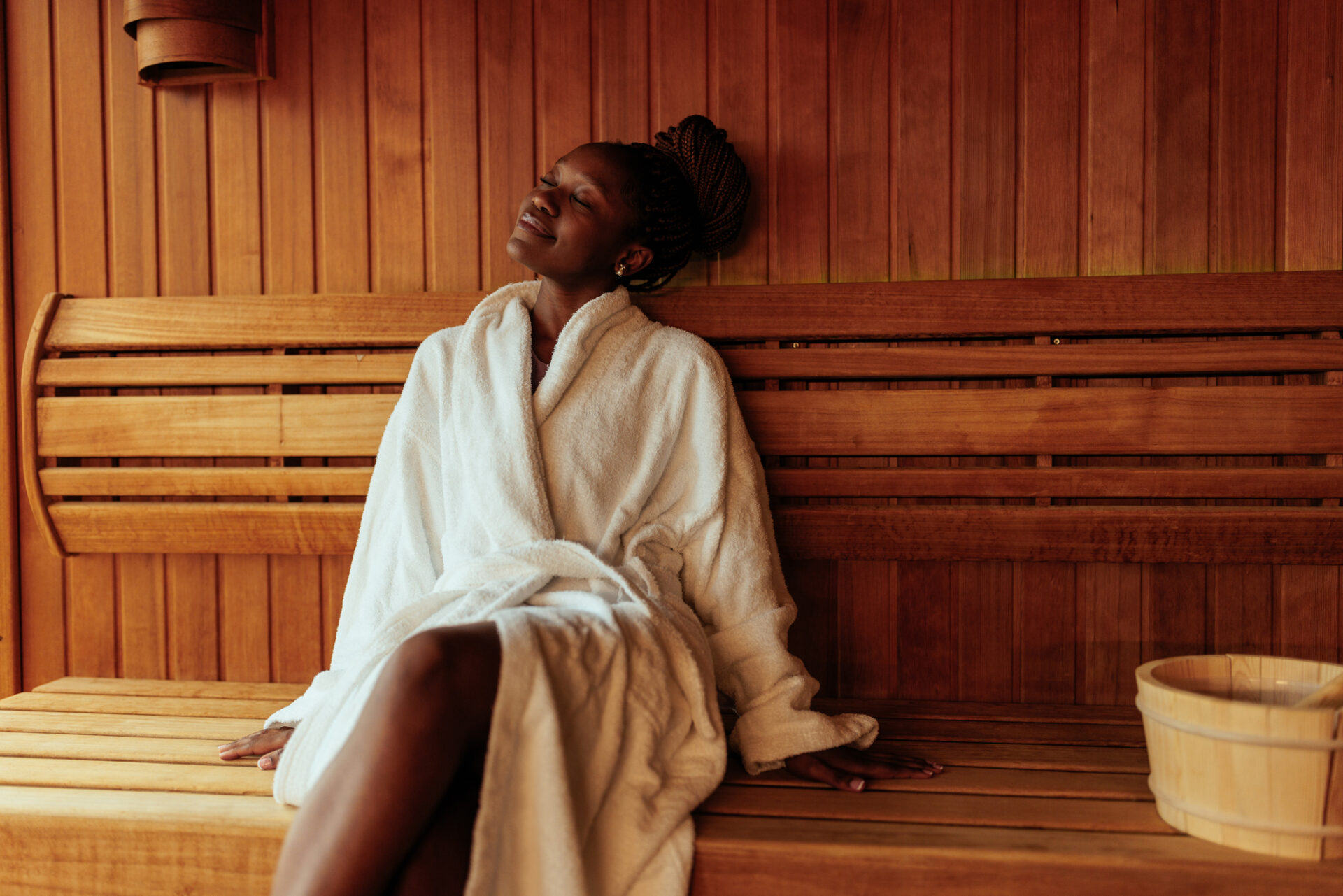
4. The "No-Chore" Checkout (Targeting the Mental Load): True luxury is the absence of labor. By removing the "chore list," you allow the guest to maintain that relaxed vacation feeling right up until the second they lock the door.
- The Low-Cost Upgrade:
- The Policy: Remove the checkout chore list entirely. Don't ask them to strip beds, start the dishwasher, or take out the trash.
- The Listing: Explicitly market this policy in your description: "An effortless departure: Just lock the door and go. We handle the rest." This removes the final stress point of the trip and justifies a premium rate.
- The Detail: Leave a small card on the kitchen counter that says, "Sleep in on your last day. No chores required." It turns a policy into a visible perk.
5. The "Micro-Spa" Bathroom: With "Glowcation" and wellness trends rising, travelers expect the bathroom to be a place of ritual, not just utility. A cluttered, mismatched bathroom breaks the "luxury" illusion instantly.
- The Low-Cost Upgrade:
- Visual Silence: Eliminate "visual noise" by removing branded shampoo bottles. Decant liquids into uniform, refillable pumps (amber glass or matte ceramic).
- The Ritual: Add a "Bath Butler" tray (bamboo or wood) across the tub.
- The Detail: Fill a glass jar with Epsom salts or a high-quality bath soak and leave it on the tray. It costs pennies per guest but signals that you expect them to indulge and relax.
6. The "Analog" Connection Kit: As the "JOMO" (Joy of Missing Out) trend grows, families and couples are looking for excuses to put their phones down. You can facilitate this connection for the traveler seeking "unstructured time".
- The Low-Cost Upgrade:
- The Box: Curate a "low-tech" entertainment box. Include high-quality board games (wood looks better than cardboard), a deck of crisp playing cards, and a difficult, aesthetically pleasing puzzle.
- The Mood: If you have a Bluetooth speaker, print a QR code for a "Dinner Party" or "Acoustic Chill" playlist so they don't have to scroll through their phones to find music.
- The Detail: Add a set of "Conversation Starter" cards to the dining table. It pushes the "digital detox" vibe and encourages meaningful connections that guests crave.
7. The Hyper-Local Welcome. Since 93% of luxury travelers value "authenticity" over opulence, a generic bottle of wine often feels impersonal. They want to taste the neighborhood, not the supermarket.
- The Low-Cost Upgrade:
- The Goods: Skip the generic wine. Stock shelf-stable local favorites like a jar of neighborhood honey, a bag of locally roasted coffee beans, or artisanal sea salt.
- The Partnership: For fresh items (sourdough, croissants), leave a pre-paid voucher for the bakery down the street. It drives traffic to them and ensures your guest gets a warm product rather than a stale loaf.
- The Detail: Include a handwritten note explaining why you chose it (e.g., "The almond croissants from the bakery around the corner are the best in the city—get there by 8 AM!"). This establishes you as an insider "concierge" rather than just a landlord.
8. The "Yoga & Stretch" Basket: Even if guests don't do a full workout, 58% are seeking "restorative" stays. Offering the option to stretch signals that your home is a place of physical well-being.
- The Low-Cost Upgrade:
- The Gear: Create a "recovery kit" with a clean yoga mat, a high-density foam roller, and a simple resistance band.
- The Storage: Place these items in a tall, aesthetic woven basket in the corner of the living room or bedroom. Do not hide them in a closet; their visible presence acts as a cue to relax.
- The Detail: Tuck a small laminated card in the basket listing a local park perfect for yoga, or identifying the best spot on your own patio for a "sunrise stretch." You can also include a QR code to a free 15-minute "Travel Recovery Yoga" video.
Conclusion: The Reward for Providing Luxury Relief
As we move through 2026, the hospitality landscape strongly favors the thoughtful host. Ultimately, you no longer need to rely on expensive renovations to elevate the perceived value of your property. Instead, you simply need to understand what your guest is trying to escape. Usually, they are running from exhaustion, daily noise, and endless to-do lists.
The modern traveler is more than willing to invest in stays that offer them genuine peace of mind. Therefore, when you shift your focus from merely providing a place to sleep to offering a place to breathe, the financial rewards will naturally follow.
To deliver this level of effortless luxury to your guests, your own hosting operations must be equally seamless. Smoobu’s all-in-one vacation rental software automates your backend, from syncing calendars to scheduling personalized guest communication. Discover how easy it is to elevate your property and start your free trial with Smoobu today.
Leave a comment