
How to Manage an Airbnb Legally in the USA: A Host's Guide

Disclaimer: The information provided in this guide is for educational and informational purposes only and does not constitute formal legal advice. Vacation rental regulations vary widely by jurisdiction and can change frequently. To ensure your property is fully compliant, we strongly recommend consulting with a qualified legal professional or your local zoning authority regarding your specific situation.
Navigating the evolving regulatory landscape of the Airbnb Platform requires a robust legal strategy to protect your rental income and ensure long-term profitability. This comprehensive guide breaks down the essential compliance steps every host must take to securely scale their vacation rental business.
Transitioning From Casual Hosting to Professional Compliance
The modern landscape of vacation rentals has evolved far beyond the concept of renting out a spare space for extra cash. Today, operating on the Airbnb Platform is effectively running a small, regulated business. For hosts, the transition from casual participant to professional operator is not merely a branding choice; it is a fundamental shift in how one approaches legal, financial, and operational responsibilities. To build a defensible and profitable business asset, you must treat every property as a commercial entity subject to complex, layered regulations.
Whether you manage an extended stay property, a boutique hotel, or a portfolio of vacation properties, understanding your obligations is essential. Protecting your rental income requires developing a proactive legal strategy that scales with your business.
The Shift in the Regulatory Environment for Vacation Rentals
The unregulated era of property hosting is officially over. Municipalities, frustrated by housing shortages and neighborhood friction, have shifted from passive observation to aggressive enforcement. This regulatory tightening means that the rules you followed two years ago may be obsolete today. As a professional host, your success depends on staying ahead of these regulatory issues rather than reacting to them after an enforcement action or a platform-mandated delisting.
The shift from manual oversight to the use of an automated channel and compliance tracker is the defining challenge for growing hospitality businesses. Navigating this environment means building a foundation of transparency and trust with local authorities.
Why Legal Compliance Is the Foundation of Your Property’s Cap Rate
Many hosts focus exclusively on maximizing their occupancy rate and nightly pricing, ignoring the hidden cost of non-compliance. A legal shutdown due to a zoning violation or an unexpected tax audit can destroy your property's capitalization rate (cap rate) overnight. By prioritizing compliance, you are not just ticking administrative boxes; you are actively protecting your revenue stream from the volatility of regulatory crackdowns.
Ensuring long-term viability for your property means treating compliance as your primary growth strategy. When your operations are fully legal, you unlock the ability to market aggressively without fear of municipal retaliation.
Beyond the Channel: Viewing Your Property as a Regulated Business
Your account on the Airbnb Platform is merely a distribution channel, not a compliance shield. Many hosts mistakenly believe that because the platform collects certain fees or provides basic coverage, they are absolved of local oversight. A professional host must maintain their own records, secure independent liability insurance, and treat every booking as a formal business contract.
Relying entirely on a single platform’s Customer Service to resolve legal disputes is a risk. Minimizing reliance on a single channel and diversifying your distribution channels is crucial to building a sustainable enterprise that can weather policy changes.
Want an easy-to-follow regulations checklist?
Download our free template now!
The Three-Tiered Legal Framework: Federal, State, and Local
To systematically audit your regulatory risk, you must evaluate compliance across three distinct legal jurisdictions:
- Federal Obligations: Fair Housing and Accessibility Standards. While federal law may seem distant from local rentals, the Fair Housing Act and the Americans with Disabilities Act (ADA) apply strictly to hospitality businesses. Enforcement actions from the U.S. Justice Department demonstrate that hosts must ensure their listings do not discriminate in marketing or guest selection. Accessibility is also becoming a priority; updating your property to be more inclusive is an excellent way to future-proof your business.
- State-Level Oversight: Tax Collection and Consumer Protection. States generally oversee tax mandates, specifically Transient Occupancy Taxes. While the Airbnb Platform often facilitates automated collection agreements, the ultimate liability for accurate reporting and payment remains with the host. You are the business operator; if an automated collection fails, you are the one the state will pursue for back taxes, penalties, and interest.
- Municipal Control: Zoning, Permits, and the Varies-by-ZIP Reality Municipalities represent the highest hurdle. Zoning laws, occupancy limits, and permit requirements change from block to block. You must verify whether your property is zoned for vacation rentals, determine whether you are in an owner-occupied zone, and confirm whether your specific address requires a conditional use permit. Every city has different rules, making local research non-negotiable.
Navigating State-Specific Requirements: A Geographic Overview
Understanding your local market's regulatory environment is essential. Here is a breakdown of how different US regions approach property hosting:
| Jurisdiction Type | Key US Regions | Regulatory Strategy for Hosts |
| High-Regulation Landscapes | California, New York | Strict regulatory defense is required. Meticulous documentation of permits, fire safety inspections, and occupancy affidavits is non-negotiable. |
| Tourism-Driven Environments | Florida, Texas | These states offer clearer frameworks but are highly competitive. Hosts must maintain professional-grade standards to manage high permit volumes. |
| Streamlined Tax States | Colorado, Utah | States with streamlined tax agreements simplify administrative burdens, but hosts must still file manually and verify local-level requirements. |
Understanding Global Regulatory Shifts: The Minpaku Model
Looking at global models provides a warning: strict regulation often follows an initial period of rapid growth. Japan’s Minpaku law is a prime example. According to historical reports in the Japan Times, guidance from the land ministry and major real estate conglomerates such as Mitsubishi Estate shaped a framework requiring strict registration and health and safety standards. US hosts should anticipate a similar hardening of local rules, emphasizing the importance of building a property that meets or exceeds current safety codes well before they are legally mandated.
The Operational Stack: Securing Your Local Permits and Licenses
Identifying Your Property Type and Zoning Eligibility
Before signing any lease or closing on a property, conduct a thorough zoning search. Is your property designated as residential or commercial? Does the local ordinance require a primary residence affidavit? These are binary questions that decide if you can operate legally.
The Application Process: Navigating the Local Planning Department
Treat the permit process as a formal business acquisition. Prepare your materials, including floor plans, safety certificates, and proof of insurance, before engaging the planning department. If you are using mobile tools downloaded from the Apple App Store to map your property, ensure they are accurate—some planning departments cross-reference submissions with mapping data verified by the Google Maps API.
Occupancy Limits, Fire Codes, and Safety Inspections
Fire codes are the most common reason for license rejection. You must install functioning smoke and carbon monoxide detectors on every floor. A functional fire extinguisher should be mounted in the kitchen, and a fully stocked first-aid kit is mandatory for guest safety.
Managing the Hidden Layers: Building Management and HOAs
Navigating Strata Council and Condo Association Bylaws
For those in managed buildings, consulting the Strata Council or the condominium owners' association is essential. Homeowners Associations (HOAs) are frequently more restrictive than city ordinances. Many US communities strictly ban short-term rentals, and ignoring this can lead to liens on your property. Always check your bylaws before listing.
Dealing with Building Management and Neighborhood Friction
Neighborhood friction is the primary driver of new municipal bans. When managing your property, prioritize proactive communication with neighbors. Providing a 24/7 emergency contact number can prevent a minor nuisance complaint from escalating into a call to the local zoning board.
Creating a Good Neighbor Policy to Mitigate Regulatory Risks
Formalize a 'Good Neighbor policy' for your guests. Clearly state your party policy, maximum occupancy, and any event restrictions while strictly adhering to the broader community policy of the booking channels you use. Make it explicit that unauthorized parties are strictly prohibited.
Optimizing Your Platform Settings for Legal Compliance
Configuring Your Account Settings for Local Tax Collection
Ensure your booking channel settings are configured to collect taxes at the correct rates for your jurisdiction. Update your notification preferences on the Airbnb Platform to ensure you receive immediate alerts regarding local tax compliance updates.
Using Communication Settings to Document Guest Compliance
Use your property management system to confirm guest compliance with house rules. Documenting that you have provided information on local noise ordinances creates a paper trail that protects you in the event of a dispute. Review your local SMS Terms before sending automated texts, and be cautious with promotional emails to ensure compliance with anti-spam laws.

Managing Verification, Privacy, and Trust Requirements
The Airbnb Platform features a dedicated Trust and Safety Department that, alongside platform privacy teams and compliance teams, works to secure personal data and screen high-risk reservations. Leverage these built-in verification tools alongside a robust independent security solution to protect your property. By confirming that users are who they say they are, you lay the groundwork for authentic interactions and reduce the potential for misuse.
Understanding Dispute Resolution
If conflicts arise that cannot be mediated through standard Host Service channels, it is vital to understand your legal standing. Be aware that most platform Terms of Service include dispute resolution clauses governed by the Federal Arbitration Act (and for international platform disputes, entities like the Singapore International Arbitration Center). Maintaining pristine operational records is your best defense during arbitration.
Financial Compliance: Taxes, Income, and Professional Bookkeeping
The final layer of compliance is financial. Professional bookkeeping is mandatory for a modern host. Track your gross bookings, deduct your business expenses—including cleaning, maintenance, and platform fees—and prepare for your annual tax filings with the help of a professional. If you are treating this as a business, you must produce business-quality records.
Frequently Asked Questions (FAQ)
Can I run a vacation rental if my HOA prohibits it? No. HOA bylaws are private contracts that supersede local municipal approvals. Violating these rules can lead to heavy fines, legal action, and a forced end to your operations.
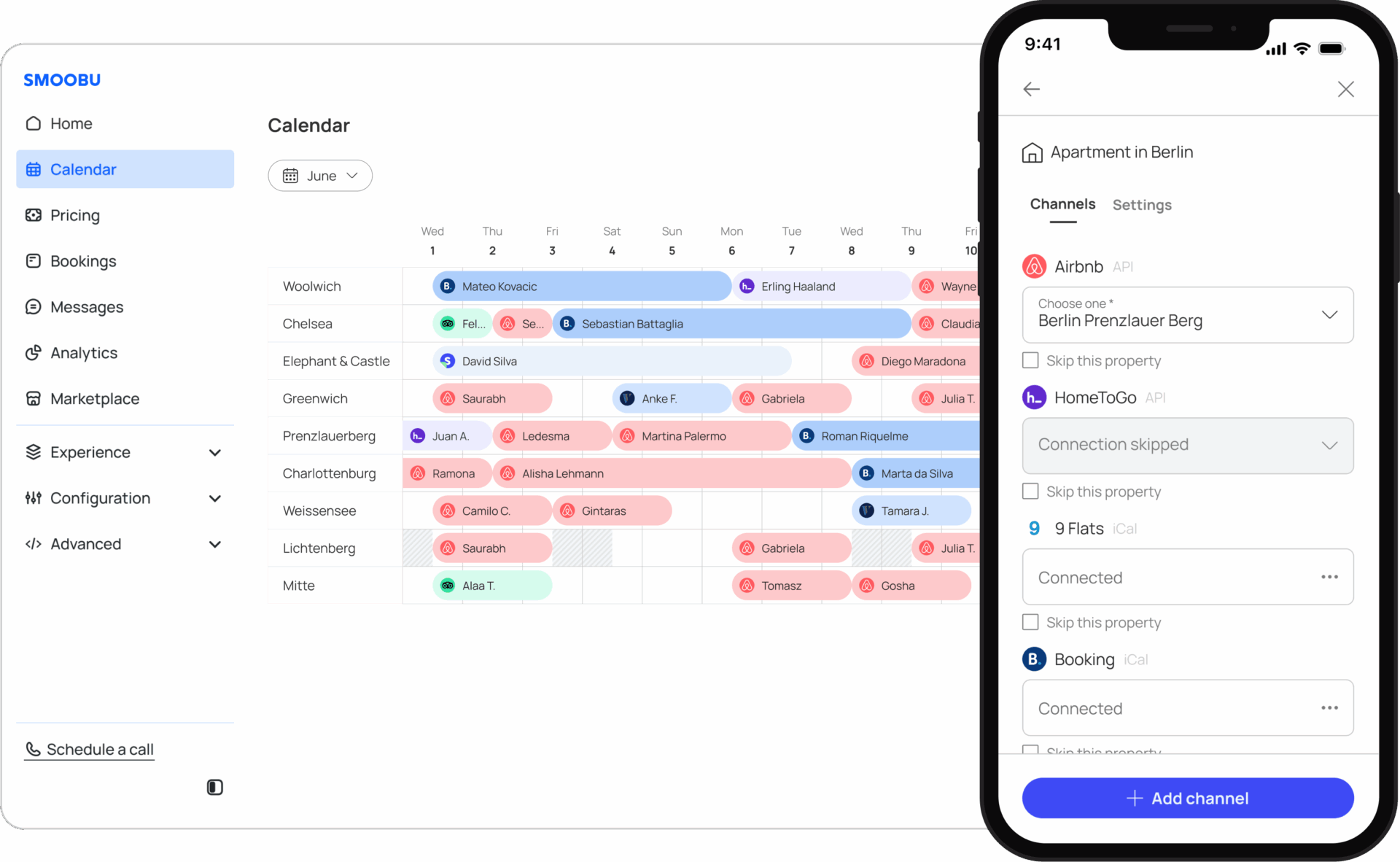
Do I need a channel manager to stay legally compliant? While not a legal requirement, ensuring your calendar availability is synced in real time across multiple portals prevents overbookings that can lead to platform penalties or displaced guests.
What happens if I ignore local zoning laws? Ignoring local regulations can result in severe financial penalties, immediate platform delisting, and legal injunctions against your property.
Conclusion
Managing an Airbnb Platform listing as a professional enterprise requires a shift in mindset: you are a business owner operating within a complex, multi-layered regulatory environment. By mastering your federal, state, and local obligations, maintaining your operational stack, and navigating the nuances of HOA relations, you can build a stable, defensible business. Stay informed, stay compliant, and focus on the systems that ensure your property remains a viable, high-performing asset for years to come.