
How to Manage Airbnb Legally in the UK: A Compliance Guide

Disclaimer: The information provided in this guide is for educational and informational purposes only and does not constitute formal legal advice. Vacation rental regulations vary widely by jurisdiction and can change frequently. To ensure your property is fully compliant, we strongly recommend consulting with a qualified legal professional or your local zoning authority regarding your specific situation.
Navigating the changing legal landscape of the United Kingdom property market requires a strategic compliance plan to safeguard your revenue. This comprehensive guide provides a clear roadmap for professional property hosts to manage properties legally, maximize occupancy, and protect their investments against regulatory shifts.
The Maturing Vacation Rental Market: From Hobby to Enterprise
The UK vacation rental market has evolved from a casual side-hustle into a highly regulated hospitality sector. For property owners and entrepreneurs, transitioning from a basic Private listing to a formal Company listing requires a deep understanding of the UK's complex legal frameworks. As local councils and the national government tighten local regulations, compliance has shifted from an optional best practice to an absolute operational requirement.
Treating your operations as a formal commercial entity ensures long-term viability. This guide provides a strategic blueprint to navigate regional planning rules, tax obligations, and mandatory safety codes to ensure your property remains a profitable asset on the Airbnb Platform and beyond. Proactively engaging with these guidelines ensures you protect your long-term business equity.
Adopting a Commercial Mindset for Your Property Portfolio
Managing a vacation rental property today is akin to running a boutique hospitality brand. Whether you are managing a single Host account or scaling multiple properties, you must establish rigorous administrative systems. Professional property management involves balancing the guest experience with structural compliance. This includes detailed tax filings, mandatory UK safety certifications, and unified platform channel communication.
Shifting your mindset from a hobbyist to a formal entity operator is the absolute foundation of your growth. When you establish efficient, professional systems, you mitigate legal risks and build a reputable brand that guests trust implicitly. Consistent guest communication further solidifies this trust, transforming first-time bookers into loyal, repeat clients.
Why Monitoring UK Legislation Protects Your Revenue Performance
Regulatory complexity in the UK is highly decentralized. A strategy that succeeds in one borough may be severely limited in another. Staying compliant requires a proactive approach to monitoring local council policies and national government white papers. Ignoring these operational shifts can result in heavy financial penalties, immediate platform delisting, or severe legal enforcement.
Treating regulatory monitoring as an essential business system allows you to adapt before new rules impact your revenue performance, giving you a distinct advantage over non-compliant competitors. Keeping a close eye on your owner reporting metrics will quickly highlight if local regulatory changes are impacting your bottom line.
Want a handy regulations checklist?
Download our free template now!
Structuring Your UK Property Business: Sole Trader or Limited Company?
How you structure your property business dictates your personal legal liability, corporate reporting requirements, and overarching tax obligations.
| Business Entity Type | Liability Profile | Primary Tax Implications | Accounting Requirements |
| Sole Trader (Private Listing) | Unlimited personal liability for business debts and guest claims. | Income taxed at personal rates via Self-Assessment. | Simplified bookkeeping; personal and business finances are legally linked. |
| UK LTD Property Business | Limited liability: personal assets are legally protected from business risks. | Profits subject to Corporation Tax. | Formal filing required, including annual accounts and an official owner reporting structure. |
Securing Your UK Company Registration Certificate
When professionalizing your brand, registering your business is a vital milestone. This registration grants you a formal UK Companies House registration certificate, establishing your business as an independent legal entity. On major booking platforms, providing this corporate certificate is necessary to verify your Airbnb account. Verification ensures that your payouts, dynamic pricing configurations, and financial documentation are correctly aligned with your corporate entity rather than a personal bank account.
Executing a Legal Entity Change and Payout Entity Swap
If you begin your venture as a sole trader and later transition to a Limited company, you must execute a Legal Entity Change within your channel dashboard immediately. This involves a complete Payout Entity Swap—reconfiguring your payout preferences, updating your VAT details, and submitting revised corporate taxpayer information.
Failure to align your platform account settings with your official legal registration can create severe complications for your internal Finance/Compliance Team. Automated documentation must match your corporate tax filings exactly to prevent automated tax audits and platform suspensions.
Decoding Regional Planning Laws and Local Regulations
The UK property market is not uniform; your geographic location dictates your primary compliance architecture.
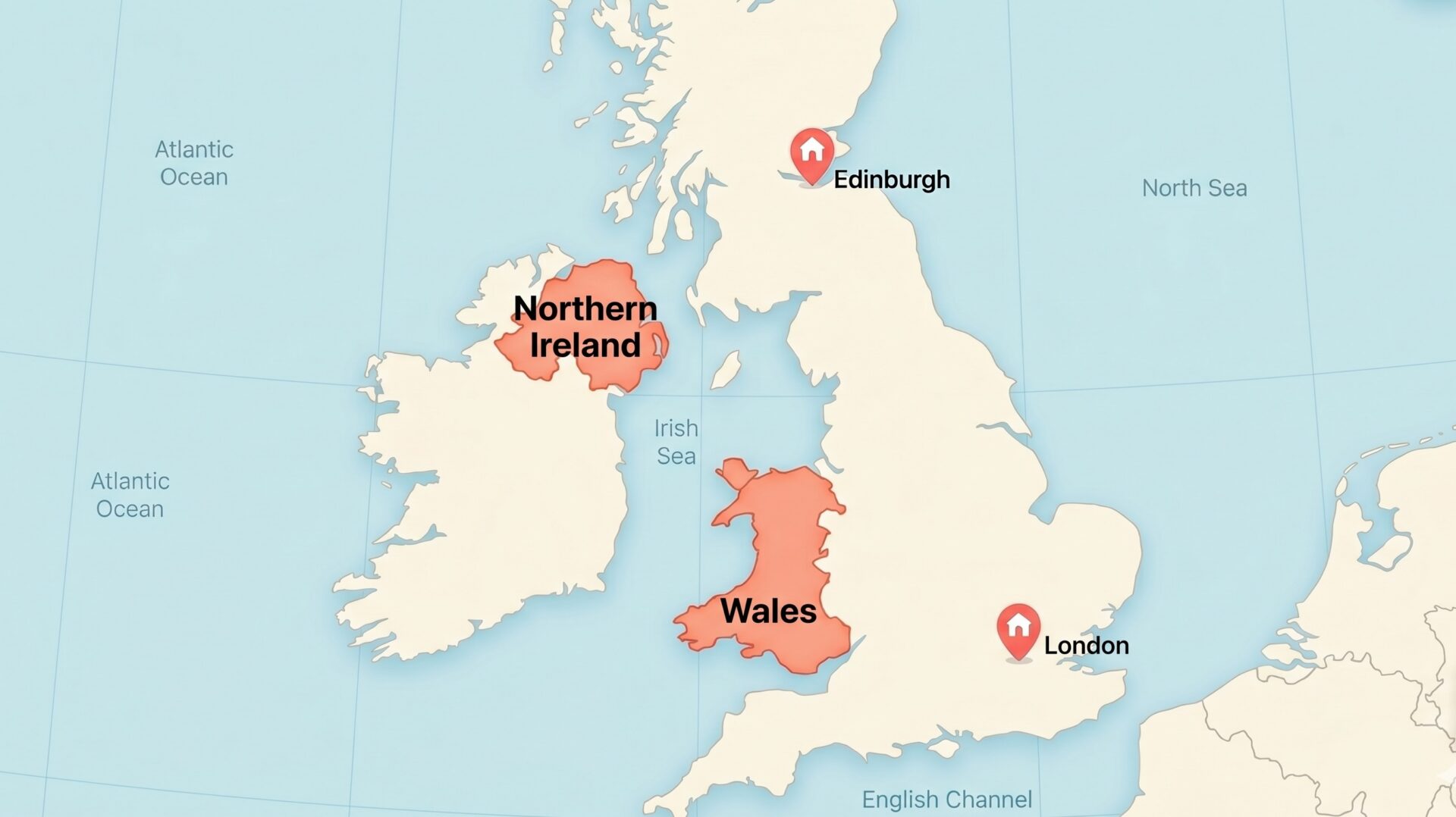
The London 90 Night Rule (Deregulation Act of 2015)
In Greater London, the Deregulation Act of 2015 stipulates that residential premises may be used for short-term rentals for up to 90 nights per calendar year. If your bookings exceed the 90-night rule, you must apply for formal change-of-use planning permission from your local borough council. Professional hosts use centralized automation tools to track their booking calendars, ensuring they do not trigger platform blocks or council zoning violations.
Scottish Licensing, City of Edinburgh Council, and Glasgow City Council
The Scottish Government has implemented a mandatory licensing scheme that requires every vacation rental property to obtain an active operating license before accepting guests. Working alongside the Scottish Government, the City of Edinburgh Council, and Glasgow City Council have established explicit control zones. In these areas, changing the use of a residential property automatically requires formal planning permission aligned with the local Development Plan.
Statutory Certification in Northern Ireland and Holiday Accommodation Areas
In Northern Ireland, the provision of tourist lodging is strictly regulated under the Tourism Order 1992. Every self-catering property must hold a valid certificate before listing online. Similarly, designated Holiday Accommodation Areas across the UK are subject to stringent zoning laws. Operating an uncertified property is a statutory offense, rendering your listing non-compliant from its first day of activity.
Navigating Crown Dependencies: Department for Enterprise and Guernsey Government
The crown dependencies operate under entirely distinct legal frameworks. The Department for Enterprise on the Isle of Man and the Guernsey Government both maintain strict, independent visitor accommodation laws. Always engage these local planning departments to confirm code compliance before listing a new property asset.
Statutory Health and Safety Obligations for Local Hosts
Guest safety is the core pillar of your brand's reputation and legal standing. These safety standards are statutory obligations required to protect your business from Formal Complaints and liability claims.
Fire Risk Assessments and Safety Certificates
Completing a comprehensive Fire Risk Assessment is a mandatory legal requirement for any property used for vacation stays. Local Hosts must identify potential fire hazards, outline emergency escape lighting, and specify the installation of linked smoke alarms. Furthermore, a Gas Safety Certificate and an Electrical Installation Condition Report (EICR) must be maintained to certify that all equipment is perfectly safe for incoming travelers.
Managing a Formal Complaint and Dispute Resolution
Even the most diligent local Hosts will eventually face guest disputes. When a Formal Complaint arises, having a documented Complaint Procedure is essential to prevent the escalation of Legal Fees. If conflicts cannot be mediated through standard Customer Service or Host Support channels, you must understand your legal standing. Platform terms often include dispute resolution clauses governed by the Federal Arbitration Act (or, for international disputes, by entities such as the Singapore International Arbitration Center). Maintaining pristine operational records is your best defense.
Operationalizing Compliance: Check-In Logistics and Guest Communication
Leveraging property technology allows you to automate daily workflows and ensure flawless compliance without increasing your manual administrative burden.
Streamlining Automated Check-In Logistics
Verifying guest identity is an essential risk management practice. Using specialized automation tools for check-in allows you to securely collect government-issued IDs, enforce a strict Minimum night stay policy, and automatically match guest data before arrival. This system establishes a verifiable digital paper trail to protect against fraudulent Third-party bookings. Seamless check-in logistics also drastically improve guest satisfaction.
Guest Messaging, Communication Settings, and SMS Terms
Effective guest messaging is key to compliance. Set up clear communication settings and notification preferences to instantly alert you of new bookings or cancellations. When sending automated text updates, ensure your software complies with local SMS Terms and data privacy laws. Keep promotional emails strictly opt-in to avoid anti-spam violations.
Within your digital guestbooks, prominently display essential property rules and Wi-Fi details, along with a standardized checklist of your team's cleaning tasks, to reassure guests of your property's strict hygiene standards.
Building a Tech Infrastructure for Remote Hosting
To scale a vacation rental portfolio, remote hosting requires an integrated tech stack downloaded from reliable sources like the Apple App Store, and occasional use of customized integrations via the Google Maps API for precise property location.
Dynamic Pricing, Currency Conversion, and Management Agreements
Implementing a dynamic pricing tool is crucial for optimizing revenue. If you manage properties internationally, ensure your software handles automated currency conversion accurately so financial records remain pristine. For property managers, maintaining a clear management agreement and providing transparent owner reporting builds immense trust with your property investor clients.
Navigating Platform Support and Emergency Protocols
In the event of a crisis, immediate access to Host Service is vital. Familiarize yourself with navigating Support Threads and consulting host forums for real-time advice from the global creative community. Historically, events like the UK Covid Travel Quarantine and subsequent Travel Quarantine mandates proved that hosts must be prepared for sudden regulatory shifts. Building an emergency protocol into your business model is now an industry standard for professional operators.
Scaling Your Business With Industry-Leading Talent
As your UK LTD Property Business grows, so does your need for a professional team. To manage regulatory complexity effectively, consider filling open roles with industry-leading talent. By fostering an inclusive company culture where employees can bring their authentic selves to work, you tap into a diverse and skilled workforce. Hiring a dedicated property manager or collaborating with external compliance experts allows you to focus on strategic growth rather than day-to-day administration.
Frequently Asked Questions (FAQ)
What is the maximum number of nights I can let my property in London?
Under the Deregulation Act of 2015, properties in Greater London are strictly limited to the 90-night rule per calendar year unless you secure explicit planning permission.
How do I handle a Legal Entity Change on my booking platform?
You must navigate to your account settings and process a Payout Entity Swap. This updates your UK Company Registration Certificate details and ensures your income is routed to your UK LTD Property Business for proper tax reporting.
Are digital guestbooks legally required?
While digital guestbooks are not a legal requirement, they are highly recommended. They provide a verifiable method to distribute your Complaint Procedure, fire safety exit routes, Wi-Fi details, and local regulations directly to the guest.
Conclusion
Managing a successful vacation rental property in the United Kingdom requires an organized, compliance-first approach. By establishing a clear legal entity, mastering your regional council planning constraints, maintaining flawless safety certificates, and utilizing efficient property technology, you build a resilient hospitality brand.
Audit your property portfolio against these essential safety rules today, and ensure your financial systems are integrated with professional management tools. Taking a proactive approach to compliance reduces operational risk and ensures your property business remains a highly profitable asset for years to come.